
Wood vs. Aluminum Pergolas: Which Is the Perfect Fit for Florida’s Outdoor Living?
Florida’s sunny weather makes it an ideal place to enjoy outdoor living, and a pergola can create the perfect retreat in your backyard. Whether you’re leaning towards a classic wood pergola or a sleek aluminum design, each material offers unique benefits tailored to the needs of the Florida climate. We’ll explore the pros and cons of pergolas made from wood and aluminum, considering their maintenance requirements and the lifespan of pergolas in this region. Are you ready to find out which pergola is the right fit for your outdoor space? Let’s dive into the details and help you make an informed decision for your next home project.
When choosing between wood and aluminum pergolas for your Florida home, it’s important to weigh the advantages of each material. Let’s explore the benefits of both options to help you make an informed decision.
Advantages of Wood Pergolas
Wood pergolas offer a timeless appeal that blends seamlessly with natural surroundings. Their organic texture and warm tones create a cozy atmosphere in any outdoor space.
One of the main benefits of wood pergolas is their versatility. You can easily customize them with stains or paints to match your home’s exterior. This flexibility allows you to create a unique look that complements your personal style.
Wood pergolas also provide excellent shade and can support climbing plants, adding a touch of greenery to your outdoor area. The natural insulation properties of wood help keep the area underneath cooler during hot Florida days.
Benefits of Aluminum Pergolas
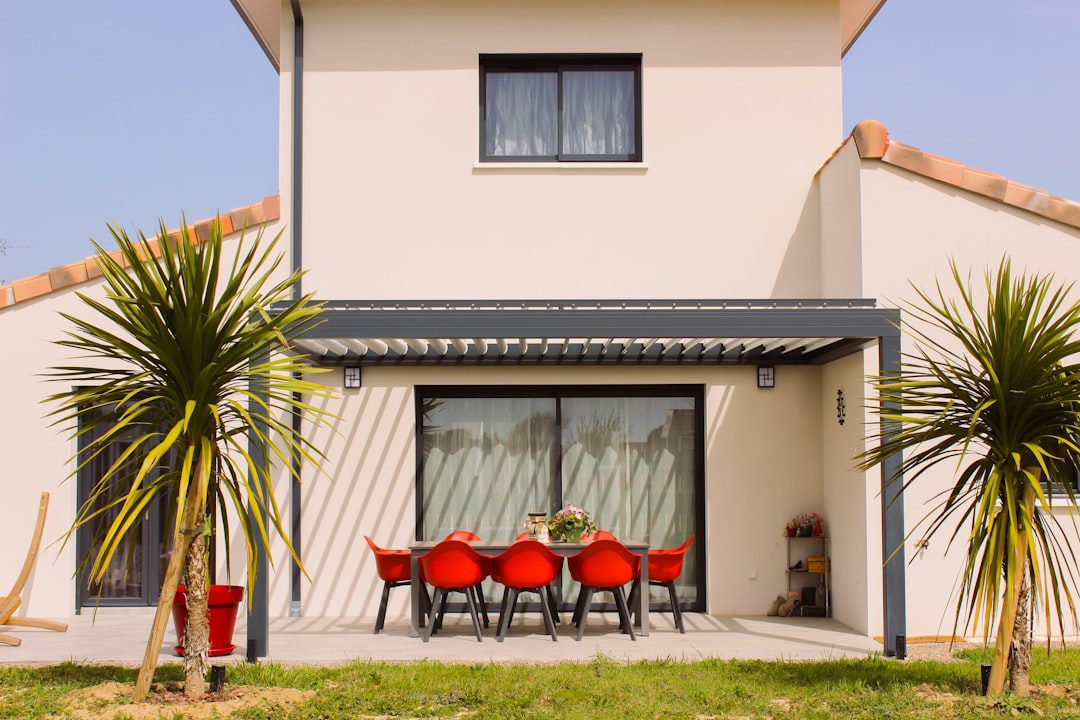
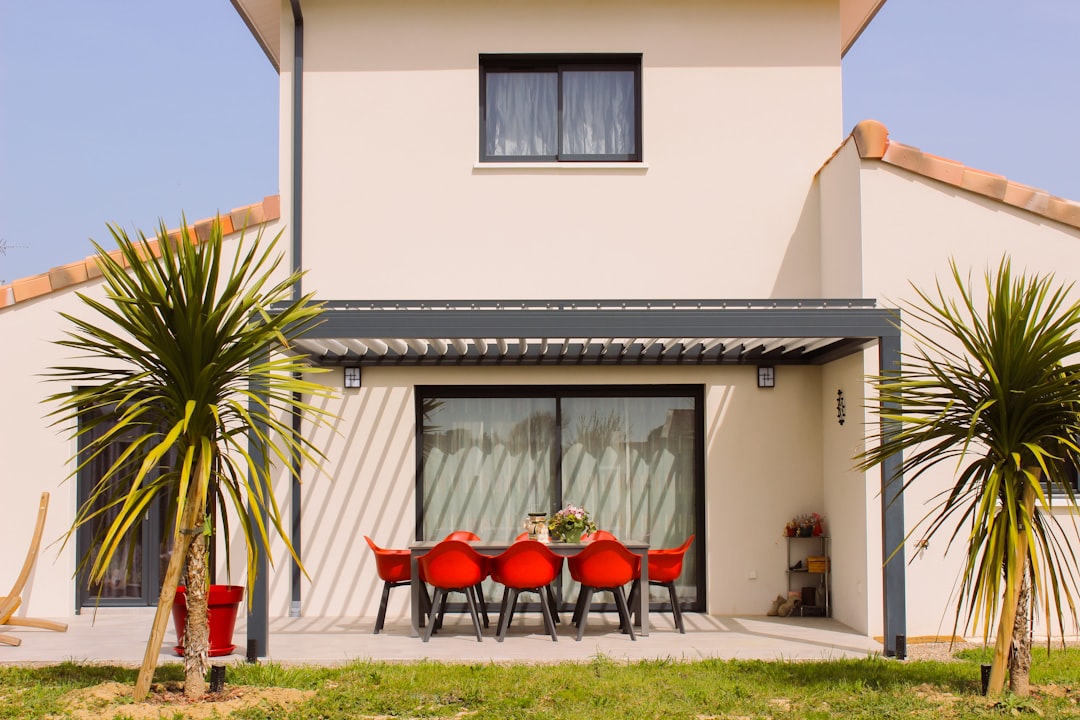
Aluminum pergolas are gaining popularity in Florida due to their durability and low maintenance requirements. These structures are resistant to rust, corrosion, and weather damage, making them ideal for the state’s humid climate. See some design ideas!
One of the key advantages of aluminum pergolas is their lightweight nature. This makes installation easier and puts less stress on your home’s structure. Despite being lightweight, aluminum pergolas are strong and can withstand high winds common in Florida.
Aluminum pergolas come in a variety of colors and finishes, allowing you to choose a style that matches your home. They also retain their appearance for years without the need for frequent painting or staining.
Pergola Maintenance in Florida Climate
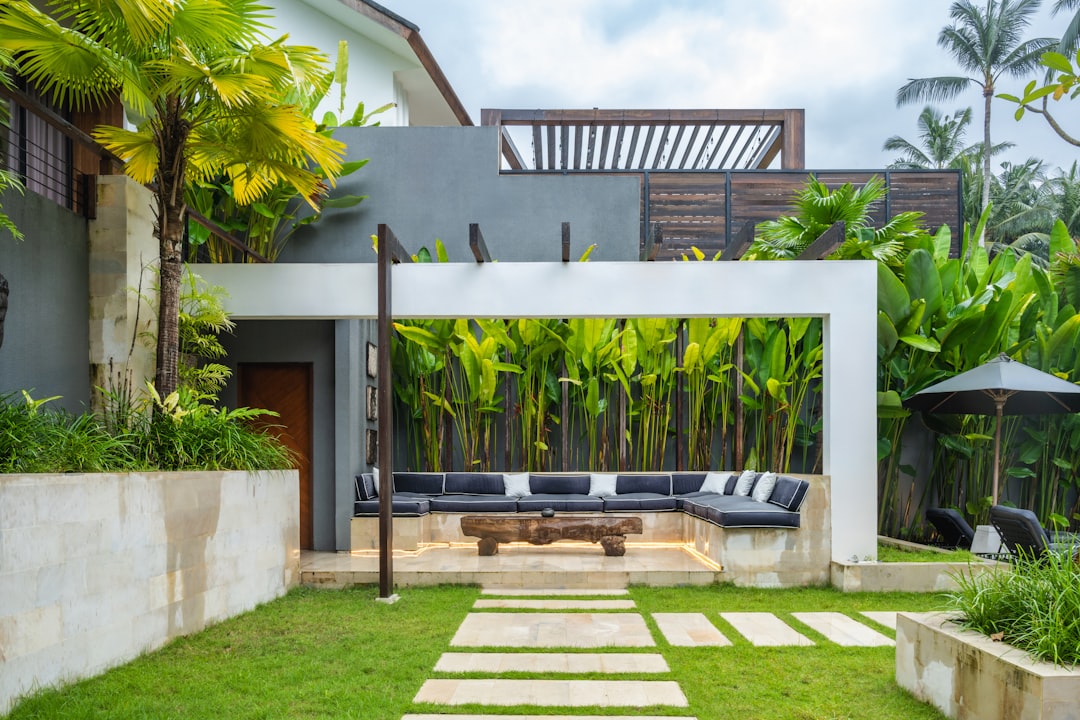
Maintaining your pergola is crucial for its longevity, especially in Florida’s challenging climate. Let’s compare the upkeep requirements for wood and aluminum pergolas to help you understand the commitment each option entails.
Wood Pergola Upkeep
Wood pergolas require regular maintenance to preserve their beauty and structural integrity in Florida’s humid climate. Proper care can significantly extend the life of your wood pergola.
Regular cleaning is essential to prevent mold and mildew growth. Use a mild detergent and soft brush to clean the wood surface at least twice a year. After cleaning, allow the wood to dry completely before applying any treatments.
Applying a water-resistant sealant every 1-2 years is crucial to protect the wood from moisture damage. This step helps prevent warping, splitting, and rot. Choose a sealant specifically designed for exterior wood in humid climates.
Inspect your wood pergola annually for signs of damage or pest infestation. Address any issues promptly to prevent further deterioration. Replace any damaged boards or components as needed to maintain the structure’s stability.
Aluminum Pergola Care
Aluminum pergolas are known for their low maintenance requirements, making them a popular choice for busy homeowners in Florida. Their resistance to corrosion and weather damage simplifies upkeep.
Cleaning an aluminum pergola is straightforward. Use a mild soap solution and a soft cloth or sponge to wipe down the structure periodically. This simple process removes dirt and debris, keeping your pergola looking fresh.
Unlike wood, aluminum pergolas don’t require regular sealing or painting. The powder-coated finish applied during manufacturing provides long-lasting protection against the elements.
Inspect your aluminum pergola annually for any loose bolts or connections. Tighten them as needed to ensure the structure remains stable. This quick check helps maintain the pergola’s integrity and safety.
Lifespan of Pergolas
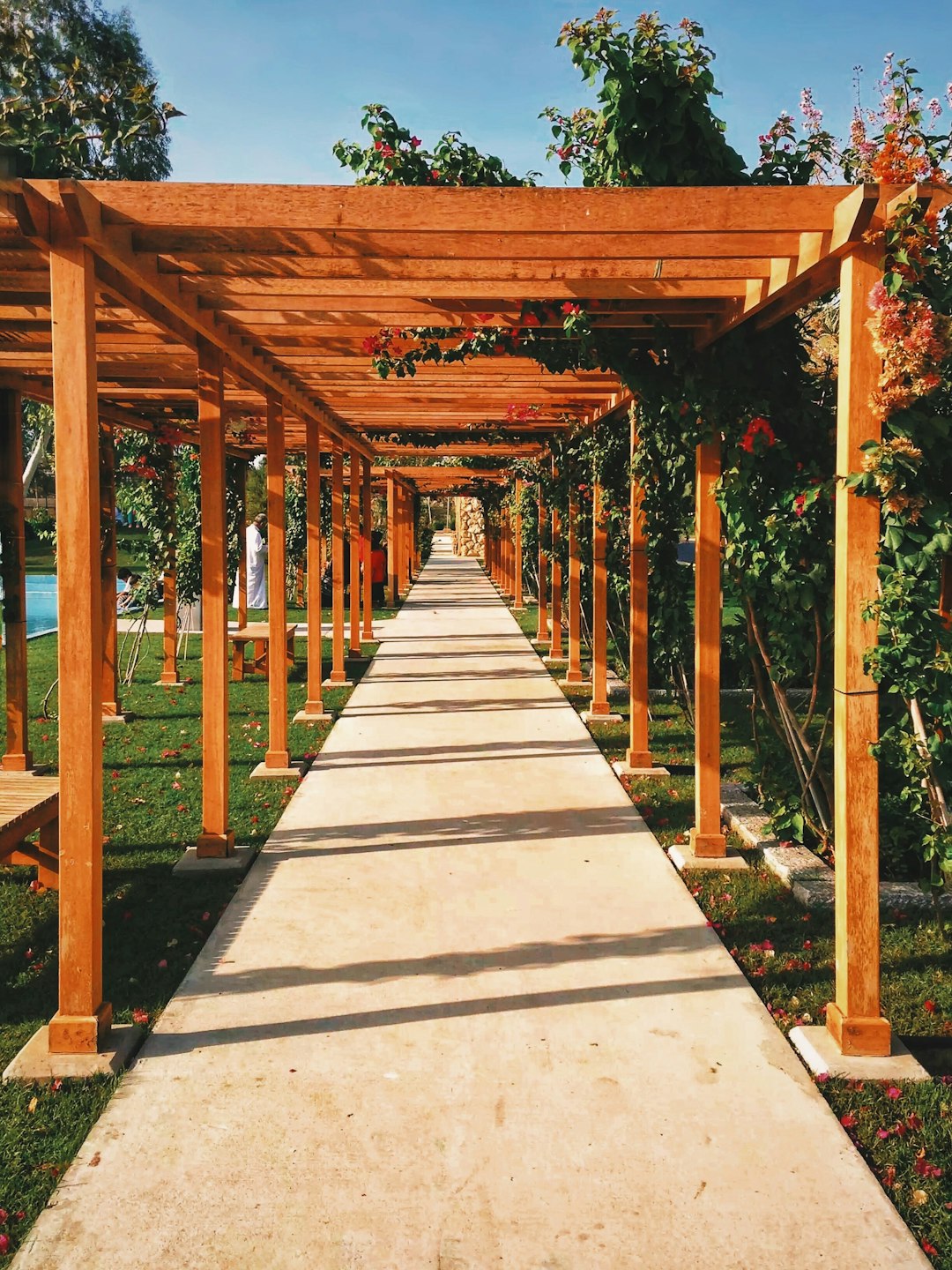
The longevity of your pergola is an important factor to consider when making your choice. Let’s examine how wood and aluminum pergolas fare over time in Florida’s climate.
Durability of Wood Pergolas
Wood pergolas can last many years with proper care and maintenance. Their lifespan in Florida’s climate depends on several factors, including the type of wood used and the level of upkeep.
Cedar and redwood are popular choices for wood pergolas due to their natural resistance to decay and insects. With regular maintenance, these wood types can last 10-15 years in Florida’s climate.
Pressure-treated pine is another option that offers good durability at a lower cost. While not as naturally resistant as cedar or redwood, pressure-treated pine can last 7-10 years with proper care.
To maximize the lifespan of a wood pergola, consistent maintenance is key. Regular cleaning, sealing, and prompt repairs can significantly extend its durability in Florida’s challenging environment.
Longevity of Aluminum Pergolas
Aluminum pergolas are renowned for their exceptional longevity, especially in Florida’s humid and sometimes harsh climate. Their resistance to corrosion and weather damage contributes to their extended lifespan.
With minimal maintenance, an aluminum pergola can last 20-30 years or more. This long lifespan makes it a cost-effective choice for many homeowners, despite a higher initial investment compared to wood.
The powder-coated finish on aluminum pergolas provides lasting protection against UV rays and moisture. This coating helps prevent fading and maintains the pergola’s appearance over time.
Aluminum’s strength-to-weight ratio also contributes to its longevity. The material can withstand high winds and heavy rain without warping or bending, ensuring the pergola maintains its structural integrity for years to come.